
حزام جر المصعد, ، والمعروف أيضًا باسم حزام فولاذي للمصاعد, ، ويُستخدم تحت أسماء مختلفة من قِبل العديد من العلامات التجارية للمصاعد. KONE و TK للمصاعد يُشار إليها عادةً باسم حزام تعليق المصعد, ، في حين أن أوتيس عادةً ما يستخدم المصطلحات التالية حزام مصعد من الفولاذ المسطح أو حزام المصعد من الجيل الثاني.
إذا كنت تعمل في قطاع المصاعد، فأنت تعلم أن تكنولوجيا الجر تشهد تغيرات. فالحبال الفولاذية الدائرية التقليدية يتم استبدالها تدريجيًا بـ أحزمة فولاذية مركبة لجر المصاعد (يُشار إليها غالبًا باسم «الأحزمة الفولاذية للمصاعد» أو «الأحزمة الفولاذية الجرّية للمصاعد»).
ولكن ما هي المكونات الدقيقة لهذه الأحزمة بالضبط؟ وكيف يتم حساب الطول المطلوب؟ وما الفرق بين حزام «أوتيس» وحزام «شيندلر»؟ في هذا الدليل الشامل، لن نغفل أي جانب من الجوانب. وسنغطي كل شيء بدءًا من هيكل المنتج ومواصفات العلامة التجارية وصولاً إلى معادلات الحساب ولوجستيات التعبئة والتغليف.
أن حزام فولاذي للمصعد هو مكون مسطح مركب يُستخدم في المصاعد التي تعمل بنظام الجر. وهو يربط كابينة المصعد بالثقل الموازن وينقل الطاقة من آلة الجر لتحقيق رفع رأسي سلس.
ببساطة، الحزام الفولاذي هو البديل المُحسَّن للحبل السلكي. وهو في الأساس عبارة عن عدة حبال سلكية فولاذية مغطاة بطبقة من المطاط أو البولي يوريثان (PU)، مما يمنحه شكله المسطح المميز.
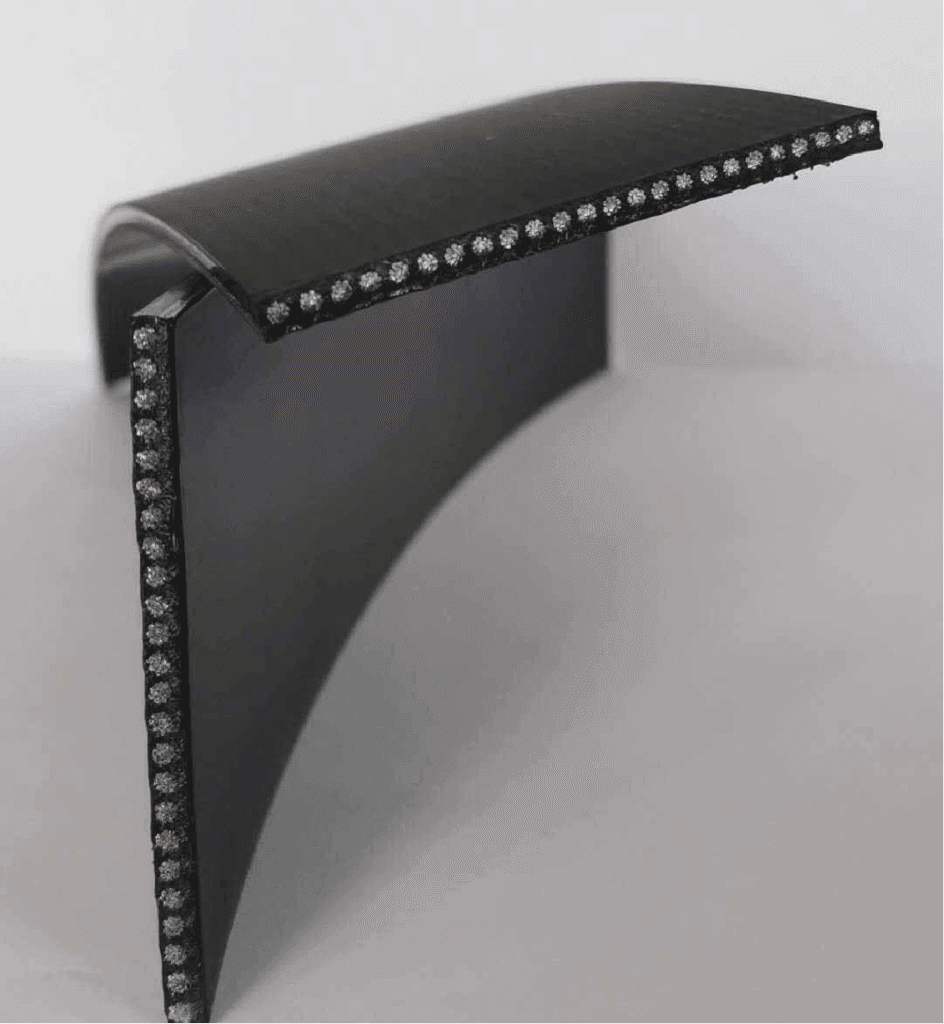
واقع السوق: ورغم أن العلامات التجارية الكبرى للمصاعد، مثل «أوتيس» و«شيندلر»، تستخدم هذه الأحزمة، فإن تصنيع الأحزمة نفسها يتم على يد علامات تجارية رائدة في مجال المكونات، مثل «كونتيتيك» (ألمانيا) و«بروغ» (سويسرا). في السوق الحالية، يختار العديد من المشترين أحزمة ما بعد البيع عالية الجودة. توفر حلول ما بعد البيع هذه الأداء نفسه تمامًا الذي توفره قطع غيار المصنعين الأصليين (OEM)، ولكن بأسعار تنافسية للغاية.
يتكون الحزام الفولاذي من جزأين رئيسيين: طبقة خارجية مسطحة من البولي يوريثان (PU) ونواة من الأسلاك الفولاذية المجلفنة عالية القوة.
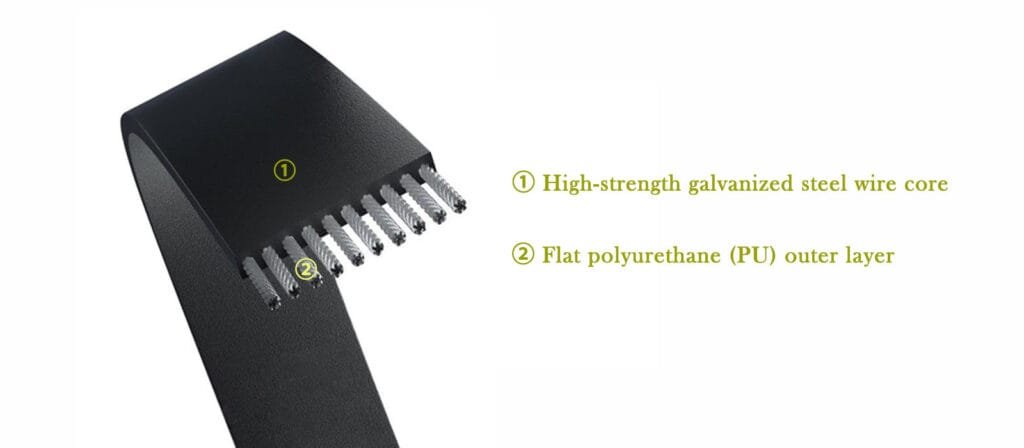
تُغلف الغلاف الخارجي المصنوع من البولي يوريثان (PU) النوى الفولاذية بإحكام. ويؤدي هذا التصميم المسطح إلى زيادة مساحة التلامس مع بكرة الجر، مما يعزز الاحتكاك ويضمن التشغيل المستقر.
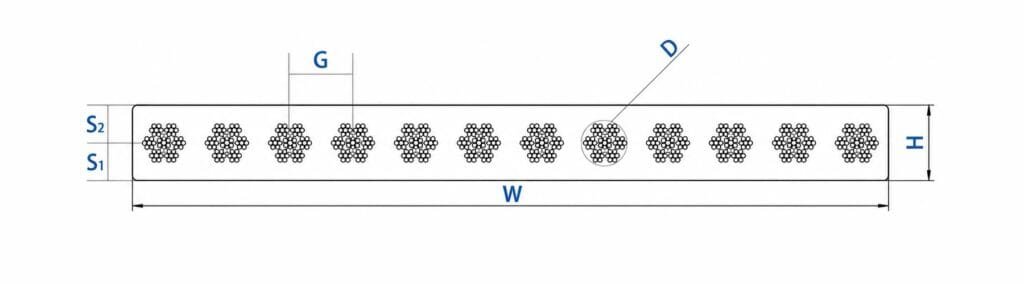
يتطلب تصنيع حزام فولاذي موثوق به دقة فائقة. وبالاعتماد على أنظمة المراقبة عبر الإنترنت، يتم التحكم بشكل صارم في أربعة أبعاد، وهي:
تستخدم العلامات التجارية المختلفة للمصاعد طرقًا مختلفة في لف الأسلاك الداخلية.
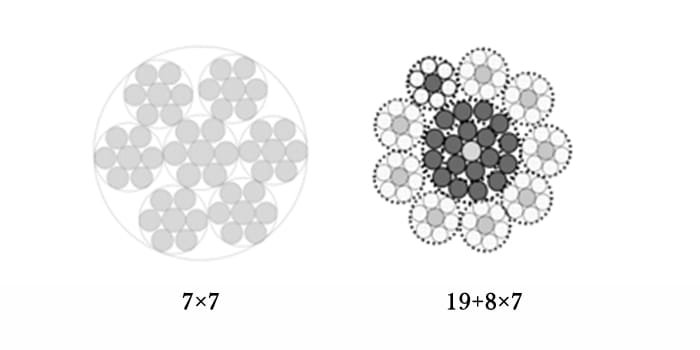
2. هيكل 19+8×7 (يُستخدم عادةً في نظام شيندلر)
هناك طريقتان رئيسيتان لتصنيع هذه الأحزمة، لكن طريقة واحدة فقط تضمن أقصى درجات الأمان.
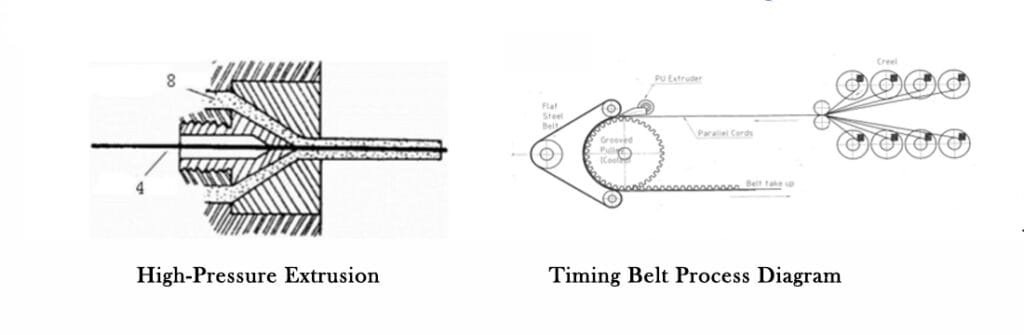
عملية البثق بالقالب تحت الضغط العالي (الطريقة المثلى)
عملية بثق حزام التوقيت (الطريقة الأقل جودة)
قبل أن يغادر الحزام المصنع، يجب أن يخضع لاختبارات فيزيائية صارمة:
تتبع العلامات التجارية المختلفة للمصاعد قواعد تسمية وأرقام قطع غيار محددة. وفيما يلي الدليل الشامل للبحث عن هذه المعلومات.
تُستخدم أحزمة «أوتيس» في الغالب في سلسلة مصاعدها «Gen2®». وتُشير اللاحقة إلى المواصفات والمورد الأصلي. ملاحظة: الطرازات التي تتمتع بنفس المواصفات قابلة للتبديل تمامًا.
| رقم القطعة | العرض | السماكة | النوى | الهيكل الأساسي | القوة | السطح | الوزن | الصانع الأصلي | ملاحظات |
| AAA717X1 | 30 ملم | 3.0 ملم | 12 | 7×7 (1.6 مم) | 32 كيلو نوت | مسطح (من الجانبين) | 0.22 م/كجم | بروغ | استبدال W1 |
| AAA717W1 | 30 ملم | 3.0 ملم | 12 | 7×7 (1.6 مم) | 32 كيلو نوت | أخدود على شكل حرف V من جانب واحد | 0.22 م/كجم | كونتيتيك | الطراز القديم |
| AAA717AM2 | 30 ملم | 3.2 ملم | 10 | 7×7 (1.98 مم) | 43 كيلو نوت | مسطح (من الجانبين) | 0.23 م/كجم | بروغ | قابلة للتبديل مع طرازي AP2 وAJ2 |
| AAA717AP2 | 30 ملم | 3.2 ملم | 10 | 7×7 (1.98 مم) | 43 كيلو نوت | مسطح (من الجانبين) | 0.23 م/كجم | EHC | قابل للتبديل مع AM2 وAJ2 |
| AAA717AJ2 | 30 ملم | 3.2 ملم | 10 | 7×7 (1.98 مم) | 43 كيلو نوت | مسطح (من الجانبين) | 0.23 م/كجم | كونتيتيك | قابل للتبديل مع AM2 و AP2 |
| AAA717AD1 | 60 ملم | 3.0 ملم | 24 | 7×7 (1.6 مم) | 64 كيلو نيوتن | مسطح (من الجانبين) | 0.44 م/كجم | بروغ | يحل محل R1 |
| AAA717R1 | 60 ملم | 3.0 ملم | 24 | 7×7 (1.6 مم) | 64 كيلو نيوتن | أخدود على شكل حرف W من جانب واحد | 0.44 م/كجم | كونتيتيك | تم استبداله بـ AD1 |
| AAA717AJ1 | 25 مم | 3.2 ملم | 8 | – | 32 كيلو نوت | مسطح (من الجانبين) | 0.19 م/كجم | كونتيتيك |
(تشمل المقاسات الإضافية من أوتيس: AJ4: 30 مم/43 كيلو نيوتن، AJ5: 60 مم/86 كيلو نيوتن، AP3: 30 مم/43 كيلو نيوتن. ملاحظة: تقوم شركة «بيكارت»، وهي شركة شهيرة متخصصة في تصنيع الحبال السلكية، بتوريد الأسلاك الفولاذية فائقة النحافة المستخدمة في أحزمة أوتيس CSB). الاستخدام: غالبًا ما يُصمم طراز AM2 للمباني الشاهقة، في حين أن طراز AD1 مناسب للمصاعد السكنية في المباني المنخفضة الارتفاع.
يتم تسمية مواصفات شيندلر بطريقة منطقية. على سبيل المثال، في STM-PV30-1.73S-PU-42: PV30 يشير إلى العرض البالغ 30 مم، و1.73S يشير إلى قطر السلك، وPU يشير إلى البولي يوريثان، و42 يشير إلى قوة التحمل بالكن (KN).
| الطراز / رقم القطعة | العرض | السماكة | النوى | القوة | الهيكل | السطح | الأضلاع / الأخاديد |
| PV30-1.73S-PU-42 | 30 ملم | 4.5 ملم | 12 | 42 كيلو نوت | 19+8×7 (1.73) | الشق على شكل حرف V | 6 أضلاع / 5 أخاديد |
| PV30-2.5 | 30 ملم | 4.5 ملم | 6 | 42 كيلو نوت | 7 × 12 واط (2.5) | الشق على شكل حرف V | – |
| PV40-1.73S-PU-56 | 40 ملم | 4.5 ملم | 16 | 56 كيلو نوت | 1.73S | الشق على شكل حرف V | 8 أضلاع / 7 أخاديد |
| PV40-2.5 | 40 ملم | 4.5 ملم | 8 | 56 كيلو نوت | 7 × 12 واط (2.5) | الشق على شكل حرف V | – |
| PV50-1.73S-PU-70 | 50 ملم | 4.5 ملم | 20 | 70 كيلو نيوتن | 1.73S | الشق على شكل حرف V | 10 أضلاع / 9 أخاديد |
| PV50-2.5 | 50 ملم | 4.5 ملم | 10 | 70 كيلو نيوتن | 7 × 12 واط (2.5) | الشق على شكل حرف V | – |
| PV60-1.73S-PU-84 | 60 ملم | 4.5 ملم | 24 | 84 كيلو نوت | 1.73S | الشق على شكل حرف V | 12 ضلعًا / 11 أخدودًا |
| PV60-2.5 | 60 ملم | 4.5 ملم | 12 | 84 كيلو نوت | 7 × 12 واط (2.5) | الشق على شكل حرف V | – |
BRUGG (BRUbelt®): يجمع بين خيوط فولاذية عالية القوة وبوليمرات متطورة تقنيًّا، مما يوفر قدرة تحميل أعلى مع مقطع عرضي معدني أصغر.
| رقم المنتج. | اسم المنتج | الحد الأدنى لقوة الكسر | المقطع العرضي [مم] | عدد الحبال الفولاذية | وزن الحزام [جم/م] |
| 50611 | حزام BRU 3,6N | 3,6 | 32 x 2,3 | 16 | 123,51 |
| 50614 | حزام BRU 9,0N | 9,0 | 25 x 2,3 | 10 | 89,69 |
| 50601 | حزام BRU 15,0N | 15,0 | 33 x 2,3 | 16 | 125,05 |
| 50634 | حزام BRU 32,0N | 32,0 | 30 x 3,0 | 12 | 201,69 |
| 50618 | حزام BRU 53,0N | 53,0 | 30 x 3,4 | 10 | 252,0 |
| 50611 | حزام BRU 64,0N | 64,0 | 60 x 3,0 | 24 | 403,37 |
| 50623 | حزام BRU 126,0N | 126,0 | 100 x 3,0 | 42 | 691,04 |
| 50610 | حزام BRU 160,0N | 160,0 | 60 x 6,5 | 10 | 986,9 |
| 50624 | حزام BRU 218,0 نيوتن | 218,0 | 150 x 3,3 | 48 | 1135,59 |
ميغالينير (ميغاداين P3.3): متوفر في إصدارات قياسية وخفيفة الوزن ومقاومة للهب. مصنوع من مادة TPU سوداء، خالٍ من الفجوات، ومغلق بإحكام. تتراوح العروض بين 25 مم و60 مم، ويستخدم نوى مجلفنة ملتوية على شكل حرف S وZ.
| حزام فولاذي | الحد الأدنى لقوة الكسر [kN] | العرض [مم] | السماكة [مم] | عدد الحبال الفولاذية |
|---|---|---|---|---|
| 25 P3.3 | 41.6 | 25 | 3.3 | 8 |
| 30 P3.3 النسخة الخفيفة | 41.6 | 30 | 3.3 | 8 |
| 30 P3.3 | 52 | 30 | 3.3 | 10 |
| 36 P3.3 | 62.4 | 36 | 3.3 | 12 |
| 40 P3.3 | 67.6 | 40 | 3.3 | 13 |
| 50 P3.3 | 83.2 | 50 | 3.3 | 16 |
| 60 P3.3 | 104 | 60 | 3.3 | 20 |
لماذا تتجه الصناعة إلى هذا التحول؟ انظر إلى الأرقام الفعلية.
| ميزة | حزام فولاذي من البولي يوريثان | حبل فولاذي تقليدي |
| السلامة | معامل أمان عالٍ (12x+). يمنع التصميم المسطح الانزلاق والخروج عن المسار. | معامل أمان أقل. عرضة للانزلاق أو الخروج من الأخاديد. |
| ضوضاء التشغيل | هادئ جدًّا (يقلل الضوضاء بنسبة تتراوح بين 30% و50%). | أصوات احتكاك معدني صاخبة. |
| استهلاك الطاقة | خفيف الوزن، ويستخدم بكرات صغيرة، ويقلل من استهلاك الطاقة بنحو 20%. | ثقيل، ويتطلب طاقة قيادة عالية. |
| العمر الافتراضي | مصمم ليدوم من 15 إلى 20 عامًا (أي من 2 إلى 3 أضعاف المدة المعتادة). | تدوم من 8 إلى 12 سنة. عرضة للتلف والصدأ. |
| الصيانة | لا يحتاج إلى تزييت، وبسيط، ومنخفض التكلفة. | يتطلب تشحيمًا منتظمًا بالزيت، وهو أمر يُسبب الفوضى، وتكلفته مرتفعة. |
| المساحة المطلوبة | مثالي لتصاميم غرف المحركات غير الملحقة (MRL)، ويوفر مساحة في البئر. | يتطلب غرفًا أكبر للآلات ومساحة أكبر للأعمدة. |
إذا كنت تخطط لإجراء عملية تركيب أو طلب أحزمة، فإليك كيفية حساب ما تحتاجه بالضبط.
الصيغة: الحمل الأقصى (الوزن الذاتي للمركبة + الحمولة الصافية القصوى) × معامل الأمان = قوة الحزام المطلوبة مثال: إذا كان وزن كابينة المصعد 400 كجم، والحمولة القصوى 400 كجم، وعامل الأمان 12: فإن الحمولة الإجمالية = 800 كجم × 12 = 9600 كجم (9.6 طن). يمكن لحزام سعة 32 كيلو نيوتن أن يتحمل حوالي 3.2 طن. لذلك، تحتاج إلى ثلاثة أحزمة 32 كيلو نيوتن، أو اثنان أحزمة بسعة 48 كيلو نيوتن لتحمل الحمولة البالغة 9.6 طن بأمان.
لا تساوم أبدًا على السلامة. يجب التخلص من الحزام الفولاذي فورًا في حالة حدوث أي مما يلي:
سير العمل القياسي للاستبدال:
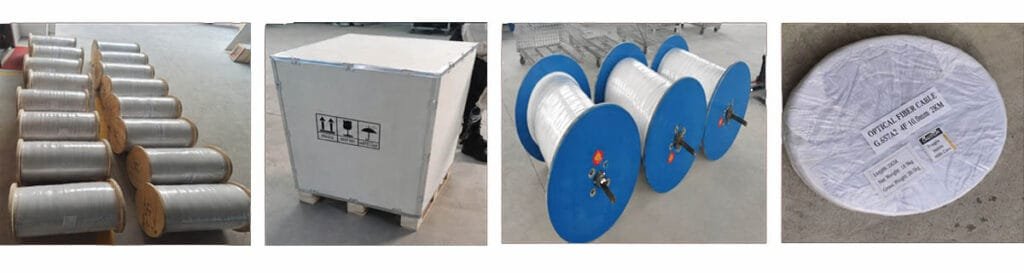
عند طلب الأحزمة، يُعد التخطيط اللوجستي أمرًا بالغ الأهمية. يتم شحن الأحزمة على عجلات خشبية. وفيما يلي جدول مرجعي للأحجام والأوزان:
| حجم العجلة الخشبية (مم) | وزن العجلة | وزن المنصة النقالة | السعة (حزام 30 مم) | السعة (حزام 60 مم) |
| 900 x 900 x 1060 | 45 كيلوغرامًا | 15 كيلوغرامًا | 2000 متر | 1000 متر |
| 700 x 700 x 850 | 15 كيلوغرامًا | 7.5 كجم | 1100 متر | 550 مترًا |
| 600 x 600 x 530 | 7.5 كجم | 7.0 كجم | 700 متر | 350 مترًا |
| 600 x 600 x 430 | 7.0 كجم | – | 600 متر | 300 متر |
| 500 x 500 x 530 | 6.0 كجم | – | 500 متر | 250 مترًا |
| 500 x 500 x 430 | 6.0 كجم | – | 400 متر | 225 مترًا |
(ملاحظة: يمكن أن تستوعب أصغر عجلة خشبية 450 مترًا من الحزام مقاس 30 مم، أو 225 مترًا من الحزام مقاس 60 مم).
لا يجب أن يكون العثور على قطع الغيار المناسبة أمراً صعباً. في بوتنسي, ، نحن شريككم الحقيقي مورد شامل لقطع غيار المصاعد.
بفضل خبرتنا التي تزيد عن 20 عامًا في قطاع المصاعد، فإننا نعرف تمامًا ما يلزم لضمان استمرار تشغيل أنظمتكم بأمان. ونظرًا لتعاوننا الوثيق مع العديد من العلامات التجارية الرائدة في مجال المصاعد، يمكننا أن نقدم لكم ميزتين هامتين هما: توريد فائق السرعة و أسعار تنافسية للغاية.
سواء كنت بحاجة إلى الأحزمة الفولاذية من طراز Otis AAA717, ، أو سلسلة «شيندلر PV»، أو أي سلسلة أخرى مكون المصعدحسنًا، نحن هنا لمساعدتك.
هل أنت مستعد للحصول على أفضل قطع الغيار لنظام الرفع الخاص بك؟ اتصل بفريق POTENSI اليوم للحصول على عرض أسعار سريع! نحن هنا لمساعدتكم.
تمثل الأحزمة الفولاذية الخاصة بنظام الجر في المصاعد مستقبل النقل الرأسي. ومن خلال فهم الاختلافات الهيكلية، مثل النوى ذات التكوين 7×7 و19+8×7، ومطابقة المواصفات الدقيقة لنظام Otis AAA717 أو Schindler PV، واتباع الإرشادات الصارمة المتعلقة بالخردة والاستبدال، يمكنك ضمان تشغيل أنظمة المصاعد الخاصة بك بأمان وهدوء وكفاءة على مدى عقود.