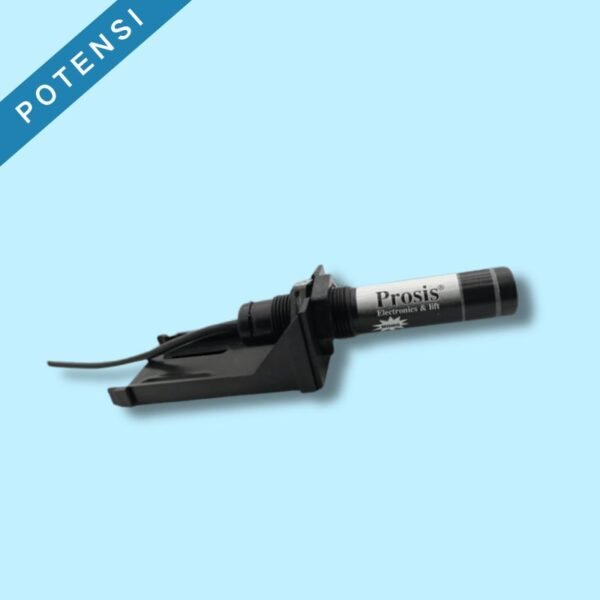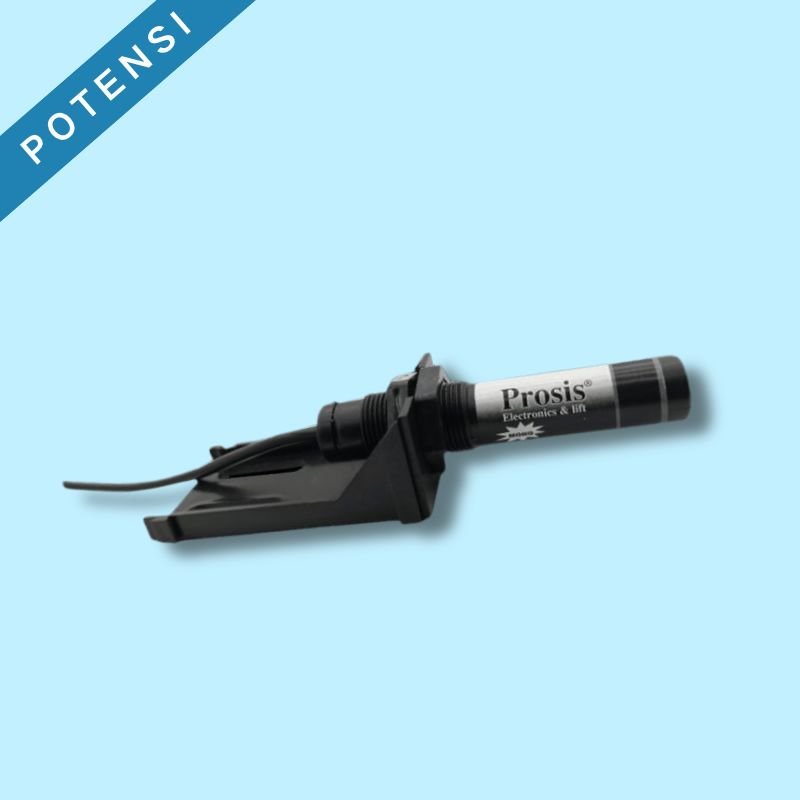
MONO SILVER is the monostable magnetic switch of the Prosis Silver series: a reed contact that changes state while a magnet is in front of it and returns to rest once the magnet has passed. It works with strip magnets for levelling and door zone detection. Rating 1 A at 180 VDC or 130 VAC, sensing 10 to 25 mm, NO or NC on request.
Quer se trate de um grossista ou mesmo de uma empresa de manutenção, a POTENSI é o ONE-STOP-SHOP para todas as peças de que necessita.
Na POTENSI, o nosso objetivo é ajudá-lo a aceder facilmente a todos os tipos de clientes ou a todas as marcas de elevadores, graças aos nossos 21 anos de experiência na indústria de elevadores da China.
A missão da POTENSI é ajudá-lo a ter sucesso e a melhorar a segurança dos edifícios em todo o mundo com peças para elevadores de alta qualidade e um serviço excecional.
A rapidez de entrega é o nosso ponto forte, mas o que nos torna diferentes de todos os outros é a nossa oferta multimarcas. Comprar na POTENSI é tão fácil quanto possível, com mais de 200K de peças multimarcas.
A nossa loja virtual está aberta 24 horas por dia, 7 dias por semana. Assim que registado Como nosso membro, obterá muitas vantagens e poderá encontrar a peça de que necessita com qualquer código e obter o nosso serviço VIP por um especialista de vendas.
Para garantir a alta qualidade, a POTENSI fornece peças apenas dos fabricantes de equipamentos originais ou dos seus fornecedores diretos. Se colaborar com a POTENSI, terá a garantia de sucesso perante os seus clientes.
| Característica | Especificações |
|---|---|
| Número do modelo | MONO SILVER (Silver series, monostable) |
| Também escrito como | Prosis Silver, mono-stable magnetic switch, monostable level switch, manyetik salter, Silver 1A |
| Marca | Prosis |
| Tipo de produto | Monostable magnetic switch (reed contact) |
| Função | Signals levelling and door zone, resets when the magnet passes |
| Utilizado em | Lift cars running strip-magnet levelling, with Prosis or other controllers |
| Compatibilidade | 1 A, 180 VDC / 130 VAC, 10-25 mm sensing, NO or NC contact |
The other Prosis magnetic switch series, and the electronic versions of the same function.
Other Prosis switch series:
Electronic and dual versions:
Potensi supplies the Prosis Silver monostable magnetic switch MONO SILVER and the Prosis magnetic switch range around it. The models above are only a part of what we can supply. We stock and source a much wider range of related and alternative models. If your model number is not listed here, please send us the model number or a photo of the original part, and we will confirm availability and the correct match for you.
Q1: What does monostable mean here?
R: It is a reed switch with one rest position: the contact changes while a magnet is in front of it, and springs back as soon as the magnet has passed. The bistable type keeps the last state it saw and needs the opposite magnetic pole to change back. Which one a lift needs is set by the controller and by the magnets already in the shaft, not by preference.
Q2: What are the contact values?
R: 1 A maximum, at 180 VDC or 130 VAC, with a sensing distance of 10 to 25 mm. Working temperature runs from -40 to +120 degrees C. The Silver series is supplied as NO or NC, and a thin body version is available for tight mounting spaces.
Q3: Which magnet goes with it?
R: Strip magnets, the type laid along the shaft for levelling and door zone. The bistable series is the one normally paired with round magnets for floor counting and slowdown points. Magnet type and switch type are chosen together, so tell us which magnets are already installed.
Q4: Does it need a supply?
R: No. The reed contact is a dry contact and works without any supply of its own. That is what separates it from the Electromono and Electrobis electronic switches, whose transistor output needs 24 to 30 V and which carry PTC protection. On a modernisation where the controller expects a dry contact, the Silver series is the direct fit.
Q5: Should I take Silver, Goldmono or Diamondmono?
R: They differ in contact rating: Silver is 1 A, Goldmono 1.5 A, Diamondmono 5 A, and the voltage limits rise with the rating. Take the rating the controller input actually needs rather than the largest one available. For a plain levelling input, the 1 A Silver is the usual choice, and the heavier series are for switching loads directly.
Q6: What should I send with the request?
R: A photo of the old switch, with any printing on the body readable, and a photo of the magnet it works against. Whether the circuit needs NO or NC, and whether the body has to be the thin version. The controller model and the quantity, since these are usually replaced a few at a time during a modernisation.
① Obtenha 10% de desconto na sua primeira encomenda.
② Receba as últimas notícias sobre os nossos produtos em promoção.
③ Obtenha o serviço VIP do nosso especialista de vendas 24/7.
④ Tenha acesso ao nosso prazo de pagamento a crédito.

WhatsApp-nos